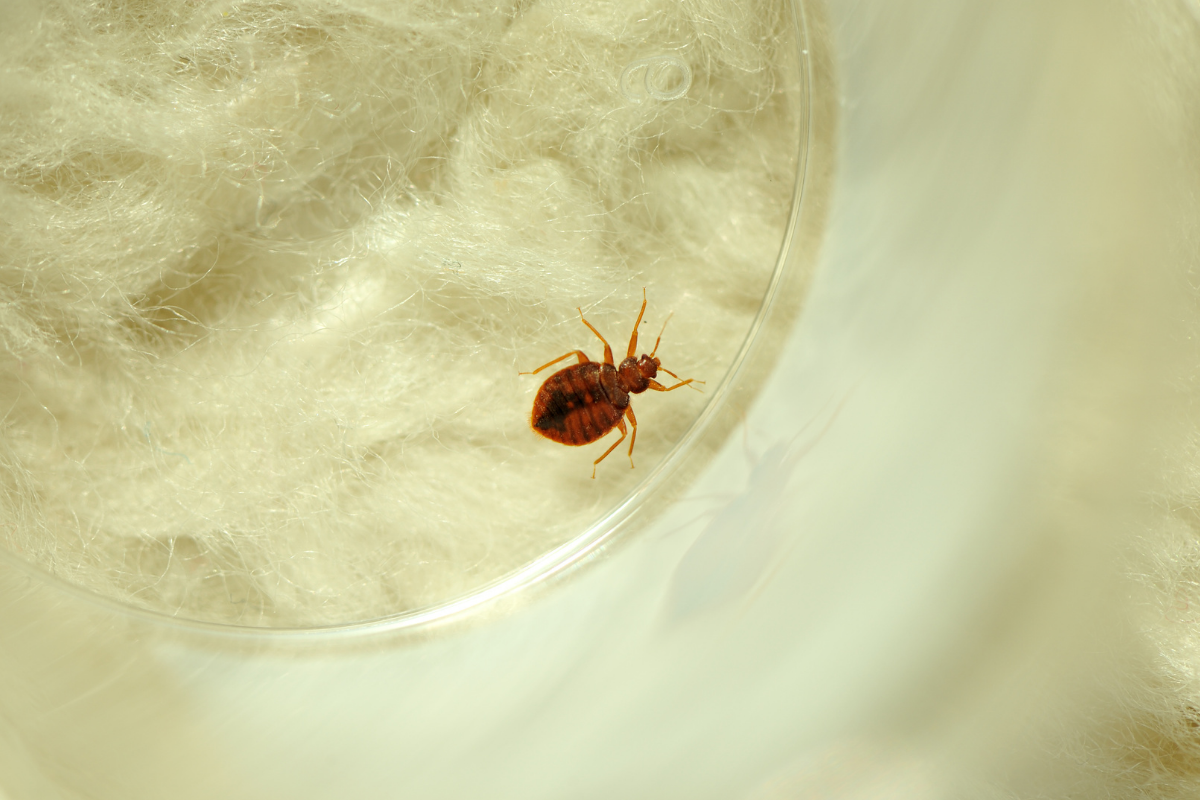
Of all the unwanted guests that can find their way into your home, bed bugs are among the most difficult to get rid of. The idea of sharing your bedroom with blood-feeding insects is enough to cause panic, and once you suspect an infestation, it can quickly become difficult to think about anything else.
The good news is that, although bed bugs are persistent and extremely good at hiding, they are not invincible. Successfully dealing with an infestation requires a clear plan, the right treatment methods and, perhaps most importantly, patience.
In this complete guide, we will look at the most common signs of bed bugs, where they hide, how to inspect your home and which treatment methods can help bring an infestation under control.
Signs of an infestation: How do you know if you have bed bugs?
An infestation can be difficult to notice in its early stages. However, as the number of bed bugs increases, several characteristic signs may begin to appear.
Bed bugs are mainly active at night. During the day, they remain hidden in narrow cracks and protected areas, usually close to where people sleep. At night, they emerge to feed, attracted by body heat and other cues associated with a sleeping host.
If you suspect an infestation, start by checking the bed, mattress and surrounding furniture.
One of the most common signs is the presence of small dark brown or reddish marks on bedding, mattresses or nearby surfaces. These may include faecal spots left behind by bed bugs or small blood stains.
Bites can also raise suspicion. Bed bug bites may appear in clusters or lines on exposed areas of skin, such as the arms, legs, neck or back. However, bites alone are not enough to confirm an infestation, as different insects and skin conditions can cause similar reactions.
For some people, bites may cause itching, redness or local irritation. Reactions can vary significantly from one person to another, and some individuals may not react noticeably at all.
The most reliable way to confirm bed bugs is to find physical evidence, such as live insects, eggs, shed skins or characteristic spotting around their hiding places.
The earlier the infestation is identified, the easier it is to prevent it from becoming established throughout the home.
Where do bed bugs hide?
One of the most common myths about bed bugs is that they only appear in dirty or poorly maintained homes. In reality, bed bugs can be found almost anywhere. Cleanliness alone does not prevent an infestation because these insects are primarily interested in access to a host.
Bed bugs are often accidentally transported from one place to another. They may hitch a ride in luggage, clothing, bags or second-hand furniture.
Common places where people may unknowingly encounter them include:
- Hotels, guesthouses and other accommodation facilities;
- Trains, coaches and other forms of shared transport;
- Cinemas and other high-traffic public spaces;
- Second-hand furniture or clothing.
Once inside a home, bed bugs look for narrow, dark and protected spaces close to where people sleep.
Common hiding places include mattress seams, bed frames, headboards, bedside tables, sofas, armchairs, curtains, picture frames and small cracks in furniture, flooring or walls.
Because they can fit into surprisingly small gaps, a thorough inspection often requires more than a quick look around the room.
How to inspect and monitor for bed bugs
Before buying insecticides or applying treatments at random, it is important to inspect the affected area carefully.
A strong flashlight can be extremely useful when checking narrow spaces. A magnifying glass may also help when looking for eggs, young insects or other small signs of activity.
Pay particular attention to:
- Mattresses, bedding and all joints and seams of the bed frame;
- Furniture located close to the bed, including bedside tables, drawers and chairs;
- Sofas and armchairs, especially around seams and underneath cushions;
- Curtains, carpets, skirting boards and gaps around flooring;
- Cracks, wall openings and narrow spaces in furniture.
Monitoring is important both before and after treatment. It helps identify the main areas of activity and can also show whether the infestation is declining over time.
Sticky traps and other monitoring devices may be useful for detecting continued activity, although they should generally be considered a monitoring tool rather than a complete solution for eliminating bed bugs.
If the signs are unclear or the infestation is suspected to be hidden, professional inspection may be the best option.
How to get rid of bed bugs: Effective treatment methods
Controlling bed bugs is rarely a one-step process. These insects can hide deep inside cracks and protected structures, while eggs may survive treatments that eliminate active insects.
For this reason, repeated interventions are often necessary.
Depending on the severity of the infestation and the treatment method used, several treatments may be required, often scheduled at intervals that allow newly hatched insects to be targeted before they have time to reproduce.
The exact treatment schedule should always depend on the insecticide being used, its label instructions and the specific conditions of the infestation.
A typical control programme may include targeted spraying combined with other treatment methods.
Step 1: Targeted insecticide spraying
The first step usually involves applying an appropriate insecticide to the areas where bed bugs hide and travel.
Application equipment can vary, but the goal is the same: to achieve controlled coverage without unnecessarily soaking surfaces. A fine and targeted spray can help reach cracks, joints and other protected areas where bed bugs may be present.
The Mmattress and bed frame
The mattress should be inspected carefully, particularly around seams, folds and labels. The bed frame should also be examined, including joints, screw holes and gaps where insects can hide.
Any insecticide treatment applied to a mattress must be specifically permitted by the product label.
If bed bugs are hiding deep inside a mattress or another inaccessible structure, a surface treatment may not reach them effectively. Depending on the situation, additional methods such as professional heat or steam treatment may be considered.
Furniture and the rest of the room
Where appropriate, furniture should be moved or partially dismantled to allow access to hidden areas.
Treatment may focus on the bed frame, the backs and undersides of nearby furniture, skirting boards, door frames, cracks in flooring and other potential harbourages.
The key is to target the places where bed bugs actually hide rather than simply spraying large open areas.
Step 2: ULV Fogging as a complementary treatment
Fogging can be used as a complementary treatment in certain situations. ULV, or Ultra Low Volume fogging, produces very small droplets that can disperse throughout the room.
Unlike targeted spraying, the fog is generally directed into the air to allow the particles to spread throughout the treatment area.
This method may help reach certain cracks and difficult spaces that are not easily accessible with conventional spraying equipment.
Fogging can also contribute to a flush-out effect, disturbing insects and encouraging some hidden bed bugs to leave their harbourages. Once they emerge, they may come into contact with previously treated surfaces.
For this reason, combining targeted spraying with an appropriate complementary treatment may produce better results than relying on a single method.
However, fogging should always be carried out using suitable equipment and products, following the manufacturer’s instructions and all relevant safety requirements.
Step 3: Waiting time and ventilation
After treatment, the room may need to remain closed for a specific period, depending on the products and application method used.
Always follow the instructions provided on the product label or by the pest control professional.
Once the required waiting period has passed, ventilate the room thoroughly before using it again. Opening windows and allowing fresh air to circulate helps clear any remaining airborne particles.
People and pets should only re-enter the treated space according to the product’s safety instructions.
It is also important not to wash or wipe treated surfaces immediately if the product is intended to provide residual protection. Removing the insecticide too soon can reduce the effectiveness of the treatment.
Where should bed bug treatments be applied?
Because bed bugs prefer to remain close to their host, treatment efforts usually focus on bedrooms and sleeping areas.
Beds, sofas and other places where people rest for extended periods should receive particular attention.
However, a severe infestation can spread beyond the original sleeping area. If bed bugs have been allowed to reproduce for a long period, they may also appear in nearby rooms, hallways or other parts of the property.
For this reason, inspection should not stop at the bedroom if there are signs that the infestation has spread.
A positive sign that the treatment is working is a gradual reduction in activity. You may notice fewer live insects and fewer new signs over time.
Monitoring between treatments can help determine whether additional intervention is required.
Long-term monitoring with bed bug traps
Once the main treatment programme has been completed, monitoring remains important.
Bed bug traps and interceptors can be placed around beds or in areas where activity was previously detected. These products can help capture insects and provide evidence of continued activity.
Check them regularly during the first few weeks and then continue monitoring periodically.
If traps remain empty and no other signs of bed bugs appear over time, this is a positive indication that the infestation has been successfully controlled.
If bed bugs continue to appear, further inspection and treatment may be necessary.
How to prevent future bed bug infestations
After dealing with bed bugs once, most people want to avoid repeating the experience. Prevention can help reduce the risk of bringing these pests home again.
When staying in a hotel or other accommodation, inspect the bed and surrounding furniture before unpacking. Avoid placing luggage directly on the bed, and use a luggage rack where available.
After travelling, inspect luggage and wash clothing according to the care instructions, using appropriate heat where the fabric allows.
Be cautious when bringing second-hand furniture into your home, particularly beds, sofas and upholstered items. Inspect seams, cracks and hidden spaces carefully before moving them indoors.
Special mattress encasements may also help reduce the number of potential hiding places and make future inspections easier.
Winning the battle against bed bugs
Getting rid of bed bugs can take time, but a persistent infestation does not have to be permanent.
The most effective approach combines careful inspection, targeted treatment, repeated interventions when necessary and continued monitoring. Bed bugs are difficult to eliminate because of their ability to hide and because eggs may survive the first treatment, but a structured strategy can gradually break the infestation cycle.
The important thing is not to panic after seeing the first signs. Inspect the affected areas carefully, choose treatment methods appropriate for the situation and follow product instructions closely.
With patience, consistency and the right combination of treatment and monitoring, you can take back your bedroom and make sure the bed bugs are no longer calling it home.