Choosing a CFD broker involves more than comparing spreads. For traders, the quality of market access, available trading tools, platform functionality, execution, account conditions, and customer support can all influence the overall trading experience. A broker may advertise competitive pricing, but traders should also consider whether its infrastructure and services fit their trading style and practical needs.
For anyone comparing CFD trading platforms, it is useful to look beyond headline features and examine how the broker supports the complete trading process. From opening an account to monitoring positions and managing risk, each part of the trading environment can affect how efficiently a trader operates.
Start With Market Access and Trading Conditions
One of the first questions to ask a CFD broker is which markets are available. Different traders may focus on forex, indices, commodities, metals, shares, energy products, cryptocurrencies, or futures. Having access to multiple asset classes can make it easier to manage different trading strategies within one account.
GTCFX provides access to a range of CFD markets, including forex, metals, energy, indices, shares, crypto CFDs, and futures CFDs, although availability can depend on the trader’s jurisdiction and account conditions.
Trading costs also deserve a closer look. The spread is only one component. Some account structures may combine spreads with commissions, while other costs can arise from holding positions or maintaining margin. GTCFX, for example, offers Standard and ECN account structures with different spread, commission, deposit, and leverage conditions. The Standard account currently lists spreads from 1.0 pips with no commission, while the ECN account lists spreads from 0.0 pips with a commission of $5 per lot.
This illustrates why traders should compare the complete pricing structure rather than focusing on one advertised number.
Compare CFD Trading Platforms by Function
A trading platform is where analysis becomes an actual order, so usability matters. Traders should consider charting capabilities, execution functions, supported devices, automated trading options, and how easily positions can be monitored.
GTCFX provides access to MT4, MT5, and its GTC Go application. MT4 is widely used for traditional forex trading and automated strategies, while MT5 provides additional analytical and multi asset functionality. GTC Go is designed for traders who want to monitor and manage positions through a mobile interface.
The right choice depends on how a trader works. Someone who relies heavily on technical analysis and automated strategies may prioritize desktop functionality, indicators, and Expert Advisor support. A trader who checks positions frequently while away from a computer may place greater importance on mobile access and account management.
Examine Execution and Order Handling
Execution is another area that should not be overlooked when evaluating a CFD broker. During periods of market volatility, prices can move quickly, making execution speed and liquidity important considerations.
GTCFX states that its infrastructure is designed for fast execution, with the international website currently advertising execution under 10 milliseconds. It also describes access to liquidity providers and an execution model designed to support fast order processing.
However, traders should distinguish between advertised execution specifications and their own trading experience. Factors such as market conditions, internet connectivity, instrument liquidity, order type, and trading volume can affect actual execution. Testing a platform through a demo account can therefore provide useful practical information before committing capital.
Consider Risk Management Tools
Leverage can make CFDs accessible with a smaller margin requirement, but it can also magnify losses. For this reason, evaluating the risk management features offered by a broker is just as important as comparing leverage levels.
GTCFX states that leverage can reach up to 1:2000 for certain accounts and regions, while its website also provides tools such as a margin calculator to help traders estimate margin requirements.
A sensible evaluation should focus on understanding how leverage, margin, stop-out levels, and position size interact. Higher leverage is not automatically more suitable. Traders should understand the amount of capital exposed to each position and how rapidly losses can increase when markets move against them.
Look at Support and the Overall Trading Experience
Technical tools are only part of the equation. Account verification, deposits and withdrawals, platform setup, and trading-related questions can all require support. A responsive customer service system can therefore be useful, particularly for traders operating across different time zones.
GTCFX states that it provides multilingual support and offers resources, including a trading calculator, economic calendar, market analysis, trading education, and VPS services for eligible accounts.
These resources can help traders handle practical tasks without relying entirely on external tools. Still, users should review the broker’s available support channels, response process, account requirements, and applicable policies before opening an account.
Make the Platform Fit the Trading Approach
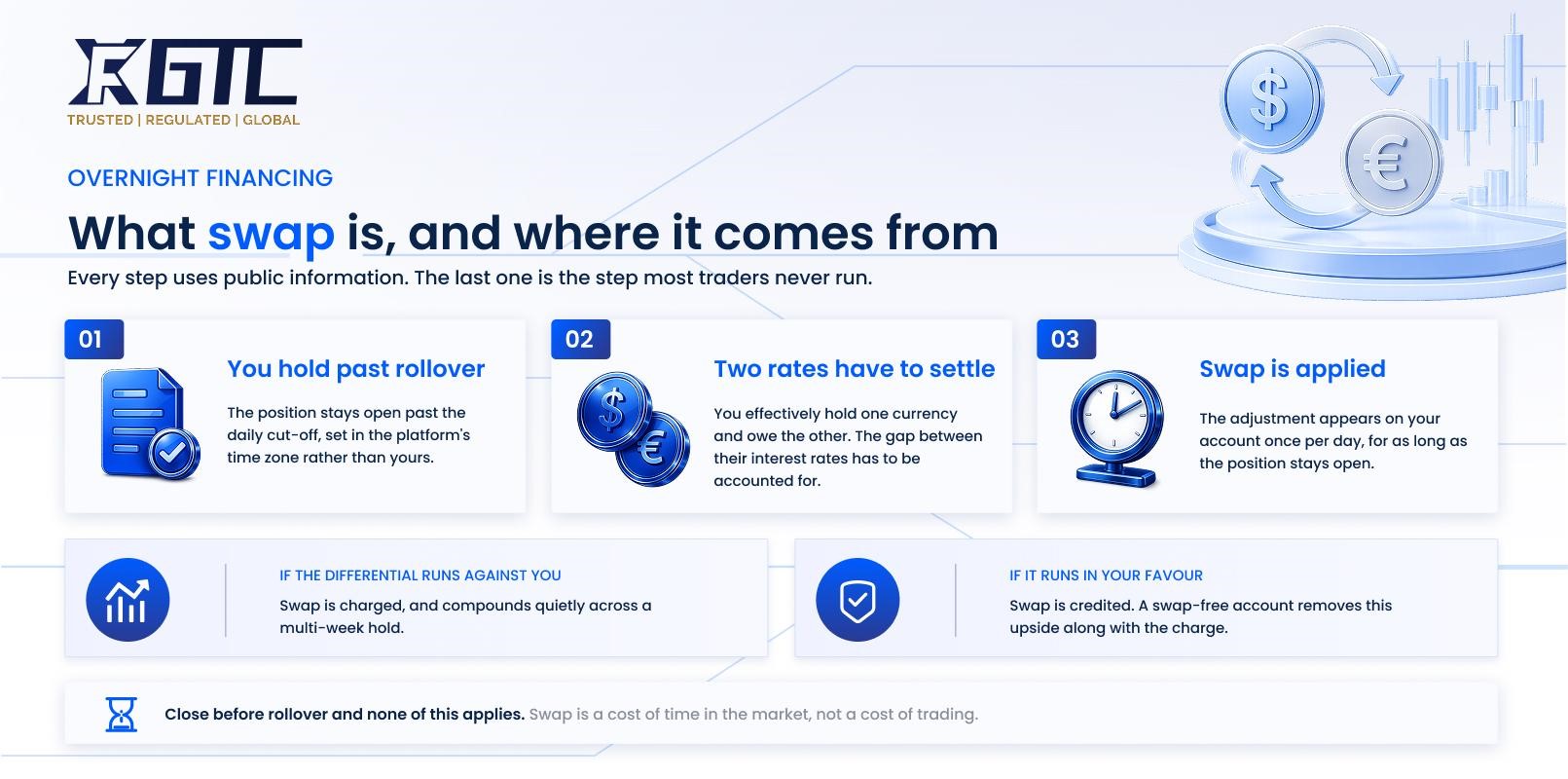
There is no single set of CFD trading platforms or account conditions that works equally well for every trader. A short-term trader may focus heavily on execution, spreads, liquidity, and platform stability. A trader who holds positions for longer periods may pay greater attention to financing costs, margin requirements, and risk management.
GTCFX offers several platform and account options, allowing traders to compare features according to their individual trading requirements. Its international website also states that product availability and contracting entities can vary according to jurisdiction and eligibility.
Ultimately, choosing a CFD broker should be based on the complete trading environment rather than a single advertised feature. By comparing market access, pricing, platforms, execution, risk controls, and customer support together, traders can develop a clearer understanding of whether a broker’s services match their own requirements.
CFDs are leveraged and high-risk products. Traders should understand how CFDs work, consider their financial circumstances and risk tolerance, and review the applicable legal and regulatory information before trading. GTCFX also states that its international services are not available to residents of certain jurisdictions, including the United States, Japan, and Australia.