A bus fleet can contain reliable vehicles and still struggle with delays, rising costs or uneven service quality. The difference often lies in how those vehicles are scheduled, maintained and monitored throughout their working lives. Effective fleet management connects operational data with practical decisions, from assigning the right vehicle to a route to planning maintenance before a fault disrupts service.
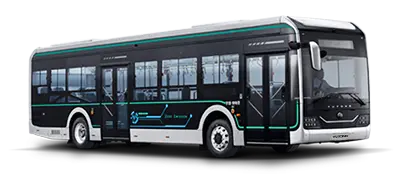
As public transport networks pursue greater efficiency and lower environmental impact, Yutong buses provide one example of the range of vehicles available to operators managing different service requirements. Yutong Bus has developed a broad portfolio for public transport and passenger mobility, making fleet planning an important consideration across multiple vehicle categories.
Match Vehicle Specifications to Route Requirements
Fleet allocation should begin with a clear understanding of each route. Passenger volume, daily distance, road gradients, traffic density and stop frequency all influence the type of bus required. A vehicle designed for high-capacity urban service may not be the most economical option for a lightly used suburban connection.
Operators can classify routes according to operating patterns rather than relying solely on geographic distance. High-frequency city services typically involve repeated acceleration, braking and passenger exchanges. Long-distance routes place different demands on seating comfort, luggage capacity and sustained highway performance. School transport and tourism services also have distinct schedules and passenger requirements.
A route-to-vehicle matrix can make these decisions more consistent. It should record passenger demand, vehicle capacity, energy or fuel consumption, accessibility needs and infrastructure limitations. Reviewing this information periodically helps fleet managers respond to changes in population, commuting patterns and seasonal travel.
Use Data to Improve Daily Scheduling
Vehicle scheduling affects both service reliability and asset utilization. If too many buses are assigned to a quiet route, operating resources may be wasted. If peak-period demand is underestimated, passengers can face overcrowding and longer waiting times. A practical timetable needs to reflect actual travel patterns as well as the time required for vehicles to return, refuel or recharge.
Fleet management systems can combine GPS positioning, passenger counts and timetable records to show how vehicles perform during service. Dispatchers can identify recurring delays, monitor headways and adjust vehicle assignments when traffic conditions change. Historical data is especially useful because it reveals patterns that may not be obvious from isolated incidents.
Scheduling also needs to account for driver shifts and vehicle availability. Appropriate rest periods, realistic turnaround times and contingency vehicles help maintain service continuity. Yutong buses serve different market segments, including urban transport, long-distance travel, tourism and school mobility. This variety highlights why fleet planners need to match vehicle roles with operating schedules instead of applying one allocation method across every service.
Build a Preventive Maintenance System
Maintenance planning has a direct effect on vehicle availability and long-term expenditure. Reactive repairs may appear straightforward because work begins after a fault occurs, but unexpected failures can interrupt passenger services and create additional costs. Preventive maintenance uses inspections and service records to identify wear before it develops into a more serious problem.
A useful maintenance programme combines manufacturer-recommended service intervals with information from actual operating conditions. High-mileage vehicles, buses exposed to rough roads and those working in demanding climates may require closer inspection of specific components. Tyres, brakes, suspension, cooling systems and electrical equipment deserve attention according to their operating risks.
Digital maintenance records make it easier to track recurring faults, parts replacement and workshop workload. Fleet managers can use this information to forecast spare-parts demand and schedule servicing during periods of lower passenger demand. Clear responsibility for reporting defects is equally important: drivers should have a straightforward process for recording unusual sounds, warning indicators or changes in vehicle behaviour.
Monitor Energy Use and Environmental Performance
Energy management has become an increasingly important part of fleet operations, particularly as public transport providers introduce electric vehicles. Consumption depends on several interacting factors, including vehicle mass, passenger load, speed, road gradient, temperature and driving behaviour. Comparing vehicles without accounting for route conditions can produce misleading conclusions.
For electric fleets, charging schedules should be coordinated with vehicle deployment. Depot managers need to consider available power capacity, charging duration, electricity tariffs and the time between shifts. Charging records can also reveal whether vehicles are using energy consistently or whether particular routes require adjustments to scheduling and operating practices.
Performance indicators help turn energy data into management decisions. Useful measures include energy consumed per kilometre, vehicle availability, maintenance cost per kilometre and service punctuality. Yutong Bus reports more than 210,000 new-energy buses sold, reflecting the scale of its involvement in the development of sustainable public transport. For operators, the practical assessment still depends on local energy prices, charging infrastructure and the conditions of each fleet’s daily work.
Conclusion
Strong fleet management is built through consistent decisions across procurement, scheduling, maintenance and energy planning. Data can reveal where resources are being underused, while preventive processes reduce the risk of avoidable service interruptions. Yutong buses form part of a broad vehicle market serving varied passenger needs, but vehicle selection alone cannot determine operational results.
By connecting route requirements with reliable performance records and realistic maintenance plans, operators can make better use of their assets and build public transport services that remain dependable as demand evolves. Yutong Bus is one manufacturer contributing to this changing transport landscape.
