Data centers operate as critical digital infrastructure where uninterrupted electricity supply directly affects business continuity, cloud services, and information security. Even short power disruptions can create significant operational challenges, making reliable energy management a top priority for facility operators.
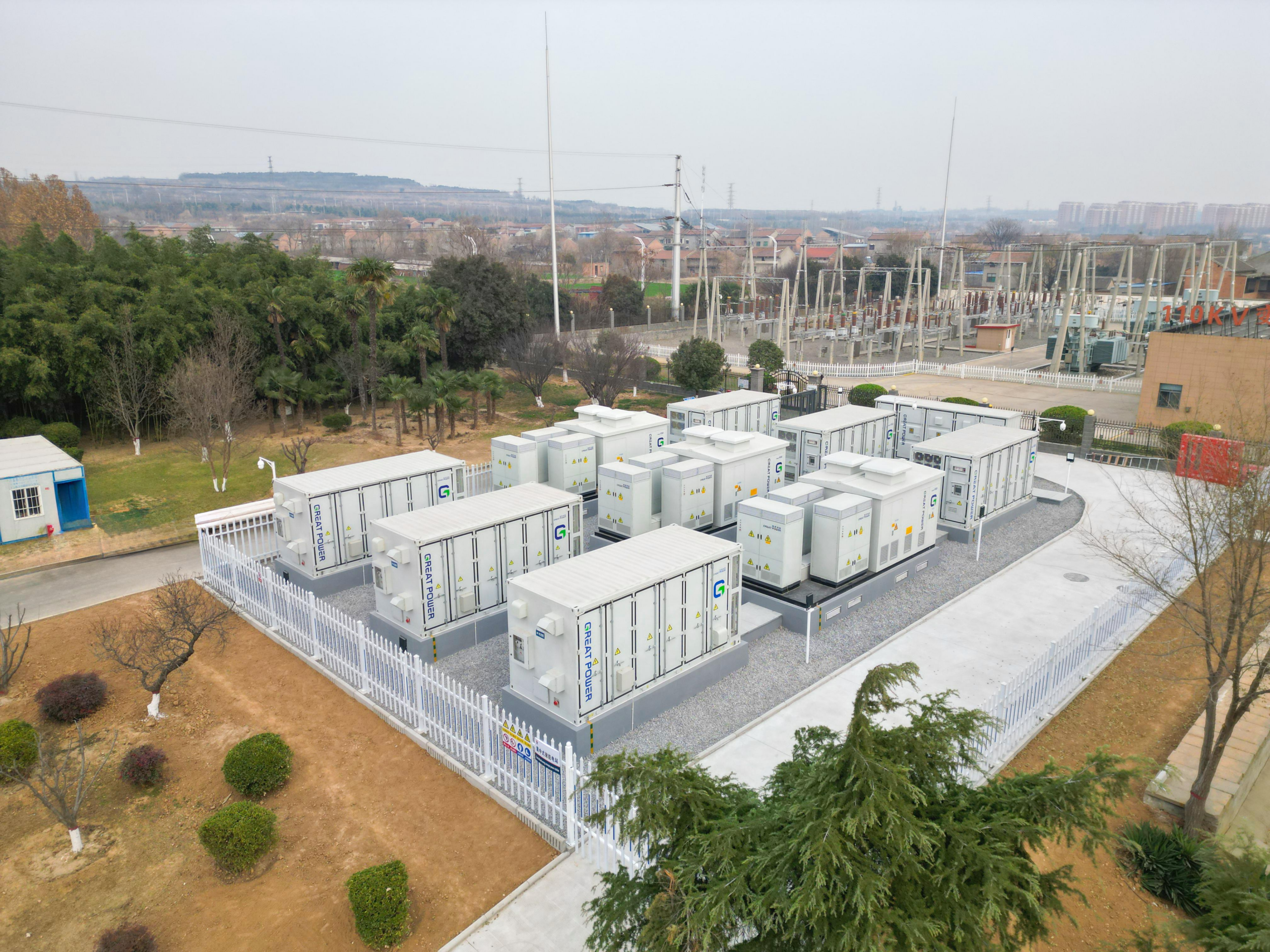
Traditional backup systems have supported data centers for decades, but increasing power demand and sustainability goals are changing how facilities approach energy resilience. Modern solutions must provide stable backup power while improving efficiency and supporting smarter electricity management.
Stationary energy storage has become an important technology for data centers because it enables facilities to store electricity and access it when required. Selecting the right storage approach depends on factors such as power requirements, operational goals, safety expectations, and future expansion plans.
Why Data Centers Need Advanced Energy Storage Solutions
Data centers require continuous power availability because servers, cooling systems, networking equipment, and security systems operate around the clock. Any interruption can affect service reliability and create financial losses for businesses relying on digital platforms.
Energy storage systems provide an additional layer of protection by supplying backup electricity during grid interruptions. In addition to emergency backup, modern storage solutions may support daily load management and energy optimization.
The demand for efficient power management has increased interest in stationary energy storage among data center operators. These systems can help facilities manage electricity usage more effectively while creating greater flexibility in energy planning.
Option 1: Lithium-Ion Battery Storage Systems
Li-ion Battery technology is one of the most widely considered options for modern data center energy applications. These batteries offer advantages such as high energy efficiency, compact system design, and the ability to support repeated charging and discharging cycles.
Data centers often require storage systems that respond quickly during power transitions. Lithium-ion solutions can provide rapid energy delivery, making them suitable for applications where maintaining stable operations is essential.
A reliable Great Power battery solution can support data center operators looking for advanced storage capabilities. Battery quality, manufacturing consistency, and system integration all influence the long-term performance of energy storage installations.
Option 2: Modular Battery Energy Storage Systems
Modular battery systems provide flexibility for data centers that need scalable energy solutions. Instead of installing a fixed-capacity system, operators can choose designs that allow additional storage capacity to be added when energy requirements increase.
This approach is particularly useful for growing data centers that may expand server capacity or introduce additional computing infrastructure. Modular designs allow businesses to adjust their energy systems without completely replacing existing equipment.
A modular BESS architecture can help data centers plan for current loads and possible future capacity expansion. Flexible architecture supports more efficient investment decisions and long-term operational planning.
Option 3: Battery Systems for Renewable Energy Integration
Many data centers are exploring renewable energy sources to reduce environmental impact and improve energy efficiency. However, renewable generation can fluctuate depending on weather conditions and availability.
Energy storage helps solve this challenge by storing excess renewable electricity and making it available when generation decreases. This creates a more stable connection between renewable power sources and data center operations.
To aid companies in their pursuit of more effective methods of power management, Great Power offers battery solutions tailored to various energy storage applications. Data center operations can be made more flexible and environmentally friendly by combining renewable energy with dependable storage technology.
Option 4: High-Reliability Backup Storage Systems
Backup reliability remains one of the most important considerations for data center operators. Storage systems must be designed to respond quickly when unexpected power events occur.
Advanced battery management features help monitor system conditions and maintain safe operation. Temperature control, performance monitoring, and intelligent management functions contribute to improved reliability throughout the system lifecycle.
Choosing an experienced energy storage provider allows data center operators to evaluate solutions based on operational requirements rather than focusing only on initial installation costs. Reliability, maintenance needs, and long-term performance should all be considered during the selection process.
Option 5: Intelligent Energy Storage Systems With Smart Management
Smart energy management has become increasingly important as data centers seek better control over electricity consumption. Intelligent storage systems can analyze energy usage patterns and optimize charging and discharging strategies.
These capabilities allow facilities to improve energy efficiency while maintaining reliable power availability. Smart control platforms can also support better decision-making by providing insights into system performance and operational conditions.
A modern stationary energy storage solution combines battery technology with intelligent management capabilities. This combination allows data centers to move beyond simple backup power and develop more efficient energy strategies.
Key Factors When Selecting Energy Storage for Data Centers
Choosing the right storage option requires careful evaluation of several factors. Data center operators should consider power capacity, response speed, system safety, maintenance requirements, and compatibility with existing electrical infrastructure.
Battery lifespan and manufacturing quality are also important elements. Reliable production processes help ensure consistent performance, especially for facilities where energy availability is directly connected to business operations.
The role of a Great Power battery supplier extends beyond providing battery products. Technical knowledge, application experience, and support throughout system deployment can influence the overall success of an energy storage project.
Conclusion
Data centers require energy solutions that deliver reliability, flexibility, and efficiency. The five storage options discussed above demonstrate how modern battery technologies can support different operational needs, from emergency backup power to renewable energy integration.
Stationary energy storage will continue to play a significant role in improving data center resilience as digital infrastructure expands. Facilities that carefully evaluate technology options, system design, and long-term requirements can create stronger energy strategies.
Great Power provides energy storage products for data center and other C&I applications, subject to project-specific system design and integration requirements. Data centers can ensure steady operations in the face of fluctuating energy demands and sustainability goals with the support of efficient storage systems.