Lash isolation is the one part of the job where there is zero room for error. You can have the best adhesive and the highest-quality extensions, but if your isolation is messy, you’re looking at “stickies,” client discomfort, and damaged natural lashes. We’ve all dealt with that one stubborn lash that refuses to stay put, and usually, the culprit isn’t your technique—it’s a pair of subpar lash tweezers. Upgrading to professional lash tweezers is often the turning point where an artist stops fighting their tools and starts cutting down application time while keeping the lash line perfectly clean.
Why Lash Isolation Is Critical
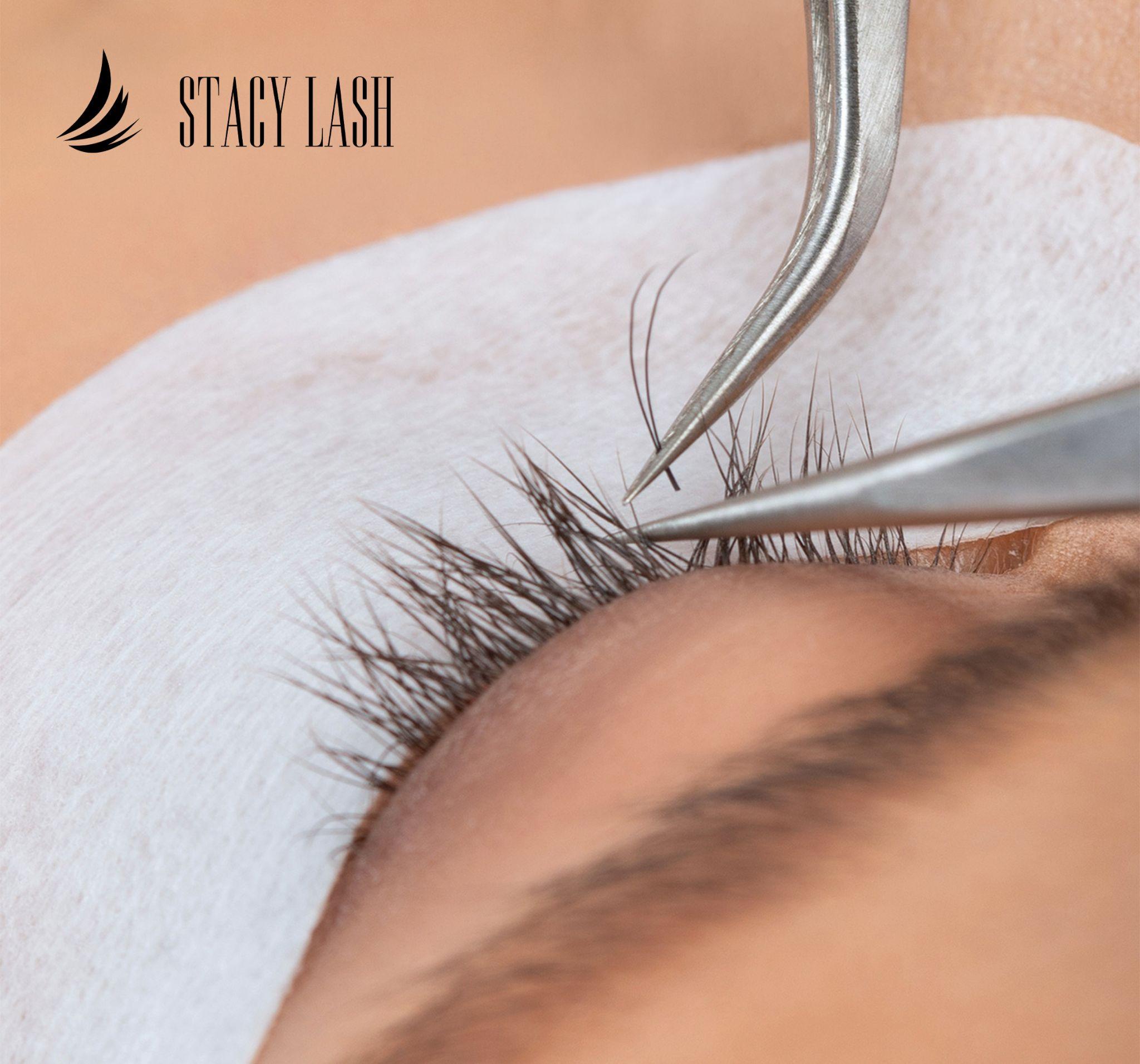
Lash isolation is the process of separating a single natural lash from the rest so that an extension can be applied without touching neighboring hairs. This ensures that as the natural lash grows, it isn’t held back by others. Poor isolation leads to “clumping,” which can cause premature shedding or even traction alopecia. Using professional lash tweezers designed specifically for this task allows you to navigate the lash line with microscopic accuracy.
How Tweezers Affect Isolation Quality
Not all eyelash extension tweezers are created equal. The mechanical design of the tool directly impacts how effectively you can work through a dense lash row.
Tip shape and precision
The “business end” of the tweezer must be perfectly aligned. Lash isolation tweezers usually feature a fine, sharp point—either straight or with a slight curve (like a crane or 45-degree angle)—to help you dive into the lash layers. If the tips don’t meet perfectly, you’ll struggle to hold back stubborn “baby” lashes, slowing down your application time.
Grip control and hand fatigue
A primary benefit of the best tweezers for lash extensions is their tension. Professional-grade tools are calibrated to have a “soft” sweet spot. This means you don’t have to exert heavy pressure to keep the lashes separated. Over an eight-hour workday, low-quality tweezers with stiff tension can lead to hand cramps and long-term repetitive strain injuries.
Professional Tweezers vs. Standard Tweezers
Standard or drugstore tweezers are often made of lower-grade metals that can lose their alignment or rust after repeated sterilization. In contrast, professional versions are typically forged from surgical-grade stainless steel or titanium. These materials are non-magnetic and resistant to corrosion, ensuring that the tips remain sharp and the balance of the tool stays consistent over time.
How Lash Artists Choose Isolation Tweezers
Choosing the right tool is a personal preference, but most artists look for three things:
- Weight: A lightweight tweezer reduces wrist strain.
- Length: Longer tweezers are often preferred for isolation to keep the hand further from the client’s face, providing a better field of vision.
- Angle: While straight tweezers are classic, many artists find that curved isolation tweezers allow for a more ergonomic wrist position.
When Tweezers Start Hurting Your Work
Even the best tools have a lifespan. If you drop your tweezers—even once—the microscopic alignment of the tips can be ruined. You should inspect your tools daily. If you find yourself struggling to grab a single lash or if the tips feel “hooked,” it is time to retire them. Using compromised tools leads to slower work and frustrated clients.
FAQ
Q: What tweezers are best for lash isolation?
A: Most experts recommend a high-quality straight or “semi-curved” isolation tweezer. The best choice is one made from Japanese or Swiss stainless steel, which offers the best durability and precision.
Q: Do tweezers affect lash application?
A: Absolutely. Tweezers dictate your speed, the health of the client’s natural lashes, and the overall cleanliness of the set. High-quality tools allow for faster, more precise “pick-up” and “placement.”
Q: How often should tweezers be replaced?
A: With proper care and sterilization, professional tweezers can last a long time. However, they should be replaced immediately if the tips become dull, bent, or if they no longer close with perfect symmetry. Many artists keep a backup pair of their favorite lash tweezers to ensure they never have to work with a damaged tool.
Precision Is a Choice
Your tweezers are effectively an extension of your fingers, and they should feel that way. Settling for generic tools might save a bit of money upfront, but you pay for it later in hand fatigue, slower sets, and the frustration of missed isolation.
By investing in the best tweezers for lash extensions, you’re giving yourself the mechanical advantage needed to handle dense lash rows and tiny transitionals with ease. When your tools work with you rather than against you, the quality of your work naturally follows suit. High-quality steel doesn’t just make the job easier; it makes your results more consistent.