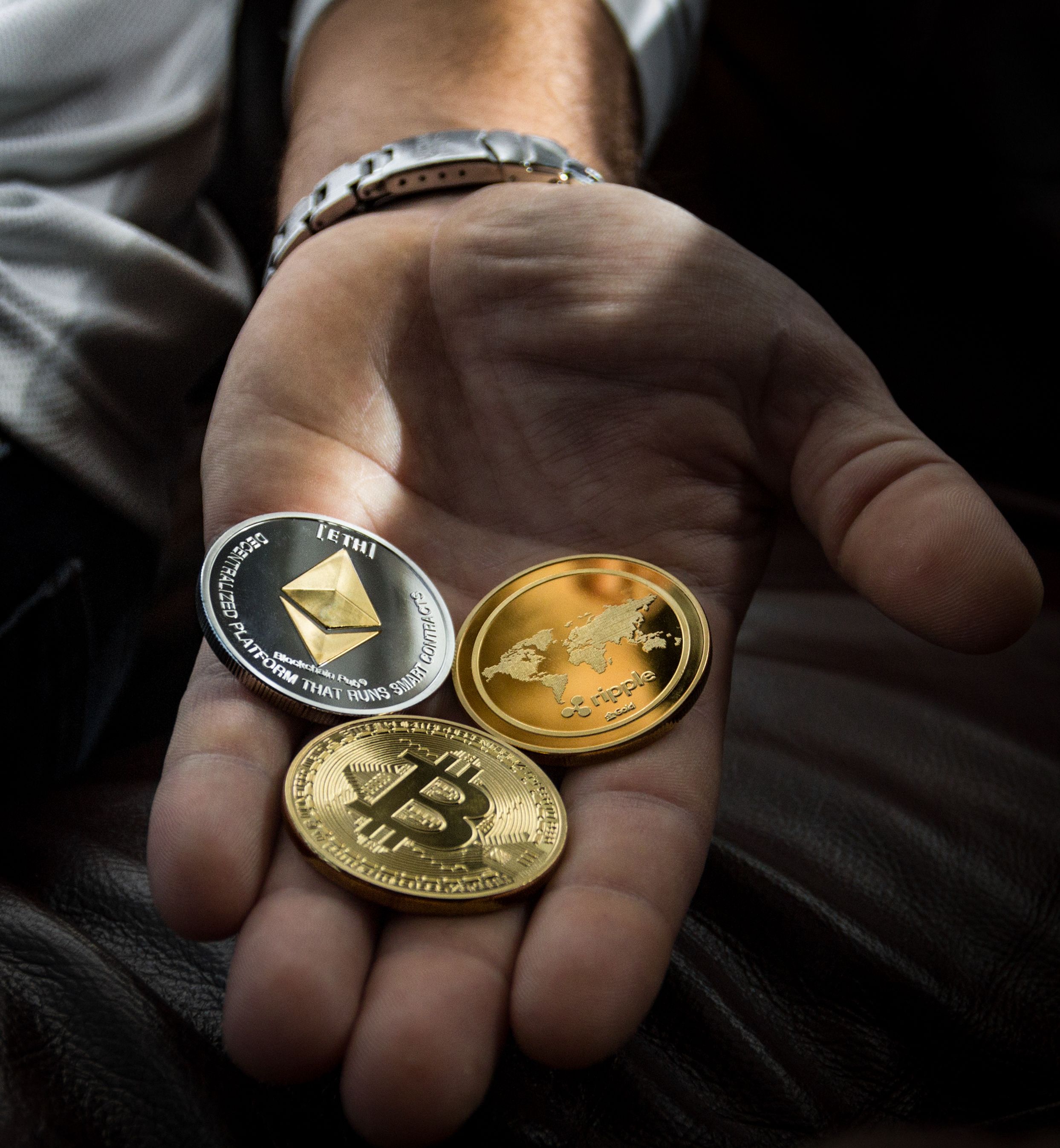
While digital money is really revolutionizing industries, its influence is now spreading to art galleries and private collections. Stealthily leading the new wave of cultural investors—individuals who combine code with canvas—is Bitcoin.
Art and cryptocurrencies are an unlikely couple, yet their bond is really growing closer with each new season. From blockchain-authenticated pieces of art to auctions that accept digital currencies, Bitcoin is leaving its impression on the world art conversation. This has nothing to do with technology; it’s about taste, financed with innovation.
From Miner to Collector
The cryptocurrencies’ wealth has ushered in an entirely new collector class whose interests extend far beyond code. Most original Bitcoin adopters now purchase modern and contemporary art, photos and even historical work with cryptocurrencies. The exodus from decentralized finance to centralized cultural curation sites is one way digital wealth transforms standing. Established houses have responded quickly. Major brands have launched crypto-payment doors, with special sales winning headlines after successful bids on Bitcoins that won standout acquisitions. Once the preserve of heritage establishments and once-a-generation purchasers, art is now accessible to a digitally educated generation with the means and the appetite to turn the applecart.
Berlin, Seoul and Zurich galleries have seen an uptick in interest among token holders, substantially following increases in Bitcoin price; as valuations increase and decrease, so does the trend of purchases—yet demand for physical, expressive artwork tends to rise steadily, especially during stable market value periods.
When Provenance Meets the Blockchain
Provenance—the record of ownership and authenticity—is invaluable in the art trade. Here, blockchain has something appealing to offer. Through cryptographic authentication, digital registers maintain an immutable record of the work’s history so that collectors can know with certainty the origin, the date of sale and even rights information embedded.
The application extends beyond physical canvases. Artwork created via digital means, such as generative art and moving imagery, may be minted as NFTs (non-fungible tokens), enabling the artists to see the resale price and royalties in real time. Though NFTs differ from Bitcoin, the spirit of decentralised trust is the core.
Increasing numbers of artists are now linking their physical work with blockchain metadata, ensuring the tracking is safe and their resale is verified. The result is an infrastructure in which collectors, dealers and curators have transparent, tamper-proof record-keeping—a significant step towards global trust throughout the cultural economy.
The Aesthetics of Code
Besides payments and provenances, Bitcoin’s visual culture also informs creative production. Artists are exploring the themes of decentralization, rarity and value systems in their work, using the visual idiom of blockchains and data structures as abstract motifs.
Works that combine QR codes, nodular sculptures and canvases treated with mixed media and transaction hash imagery are being accepted into the mainstream of art. They manifest the interest in the intangible made tangible—concepts that until now belonged to technology enthusiasts, now represented with paint, metal and glass. Others are interactive, too, requiring the viewer to scan codes or replicate transaction history as part of the gallery experience, accentuating the engagement between the viewer and the cryptographic elements of the work.
The series, “Hash Rate” or “Proof of Work,” is being introduced in cultural centers like Tokyo, Buenos Aires and Amsterdam. Curators and critics are paying attention to Bitcoin as something beyond financial technology; it is raw conceptual material—stuff to think and criticize about, pushing the limits of modern art beyond the normal and into the algorithmic.
A Global Collector Base
Geographically, crypto-enabled art acquisitions are free of restrictions. Borderless wallets and online auctions have witnessed collectors from Nigeria, Switzerland, Brazil and India participate in auctions with great ease. This broadening of accessibility is revolutionizing the ownership of art and its seat of cultural capital.
Once-unrepresented artists now connect to audiences through blockchain marketplaces. Collectors from anywhere worldwide can appreciate and purchase work without working through the mainstream art world’s long-established gatekeeping machinery. The playing field is still tilted, yet wider than ever.
Meanwhile, blockchain-centric shows are being held in upscale galleries. Dubai, Cape Town and Singapore show signal firm demand among collectors who are technology—and aesthetically aware and native to the digital world. Pressure towards inclusivity, precipitated by the availability of crypto, is silently undermining the erstwhile exclusionary geographies of the high-value art market.
Culture in the Ledger
The topic of Bitcoin is no longer limited to the finance domain but has expanded to encompass identity, legacy and creativity. By having collectors divert Bitcoin into cultural preservation and creative innovation, the resulting narrative is digital wealth underpinning human creativity.
It’s more than a trend. Blockchain is being experimented with to register lending records, institutions are commissioning crypto-funded works and collectors are forming DAO-like cooperatives to promote new artists.
Art has always been reflective of its times. In this age of technological upheaval and economic transformation, Bitcoin offers something more than an exchange instrument, an ideological model—_a stimulus for reevaluation of the way culture is created, enjoyed and remembered.