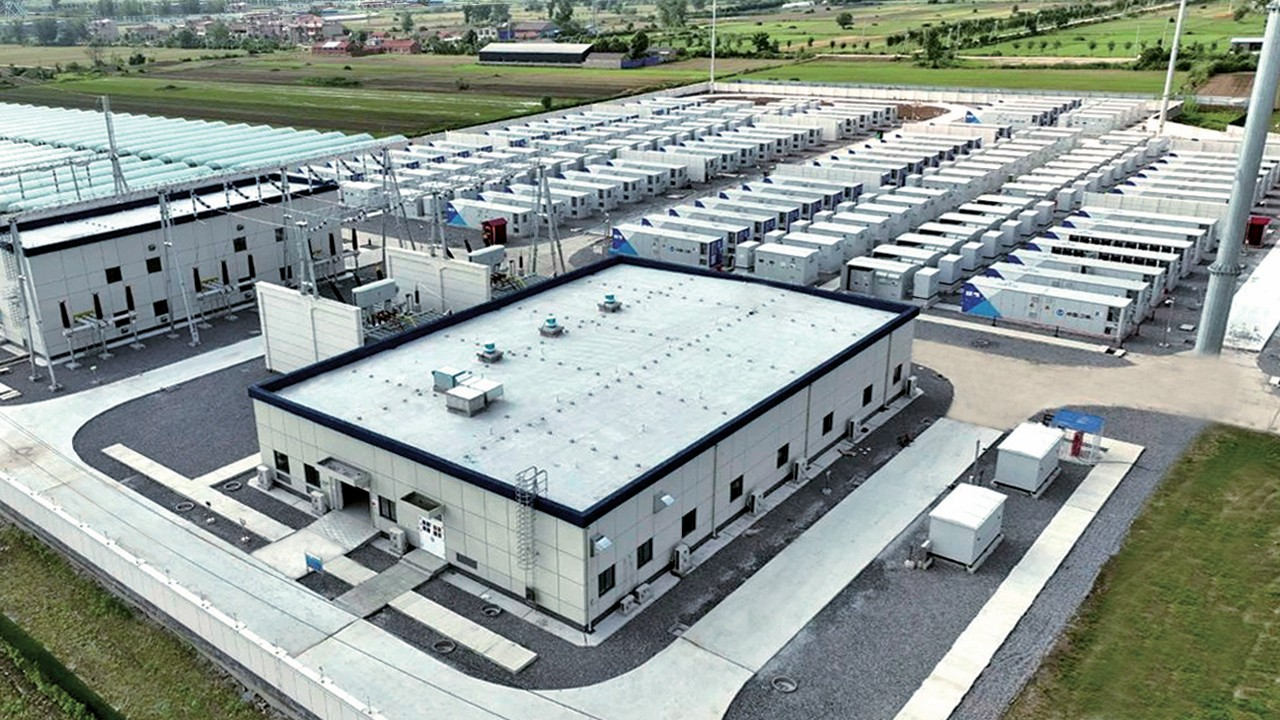
 Defining Core Metrics for Utility Scale Battery Storage
Project developers and engineering procurement construction contractors evaluate storage technology through the lens of institutional bankability guidelines. Achieving high-performance benchmarks requires hardware that demonstrates excellent round-trip efficiency, precise state-of-charge tracking, and robust environmental resilience. A verified utility scale battery storage configuration delivers consistent energy dispatch while operating under extreme temperature variations without accelerated cell degradation. This operational stability allows asset owners to honor power purchase agreements and maximize participation in volatile ancillary grid services.
From an engineering perspective, Tier 1 system architecture minimizes cell-to-cell variance by utilizing highly automated internal manufacturing controls. This manufacturing precision prevents localized thermal imbalances, which can cause early capacity loss in utility-scale fields. Lenders analyze this technical data to ensure that the debt-service coverage ratio remains within safe boundaries. Consequently, working with an established integration partner satisfies the strict operational benchmarks demanded by conservative utility risk committees during deep-dive due diligence phases.
Maximizing Project Bankability Through Technical Validation
Long-term project viability depends on third-party validation provided by recognized independent engineering firms during factory audits. These specialist entities conduct exhaustive stress tests, evaluate physical safety layouts, and review electrochemical degradation under realistic conditions. When a prospective infrastructure project utilizing utility scale battery energy storage systems applies for financing, lenders review these independent reports. This technical verification minimizes structural construction risks, which accelerates financial closing cycles for developers and infrastructure partners.
Low-tier equipment choices typically introduce substantial friction into structural financing discussions, leading to restrictive loan covenants and higher equity funding requirements. Accessing mature capital markets requires hardware portfolios backed by extensive field validation data and transparent supply chains. Lenders recognize that established hardware integration partners possess the liquidity necessary to support their performance liabilities through extended economic cycles. This financial cushion protects the senior lenders from absorbing losses resulting from localized component technical obsolescence.
Furthermore, asset valuation models rely heavily on operational telemetry data collected from active industrial fields over multiple years. Commercial banks review this historical performance data to confirm that the proposed battery configurations can sustain daily duty cycles. Established integration entities provide comprehensive manufacturing records that validate their engineering assumptions under heavy load conditions. This concrete data eliminates speculative variables from financial calculations, allowing engineering firms to secure optimal debt-to-equity ratios from institutional investors.
Advanced Safety Protocols in Utility Scale Battery Storage Design
Insurance underwriters evaluate clean energy asset profiles using specific standards, focusing tightly on thermal runaway propagation prevention metrics. Large-scale facilities face substantial regulatory scrutiny regarding cell safety, making large-scale fire testing documentation mandatory for localized permit approval. Implementing an optimized utility scale battery storage framework ensures that enclosures feature advanced deflagration mitigation, localized fire suppression, and independent battery management systems. These proactive engineering provisions decrease risk, allowing operators to negotiate lower deductibles and broader property insurance coverage.
Beyond standard property protection, infrastructure developers must secure performance liquidated damages guarantees to protect revenue during debt repayment terms. Underwriters only issue performance insurance policies when the underlying technology is supported by comprehensive bankability validation and robust balance sheets. If a system fails to meet efficiency targets, the insurance coverage protects the asset owner against immediate financial shortfalls. Sourcing components from verified supply chains gives underwriting entities the technical assurance required to draft these comprehensive risk policies.
Sustainable Lifecycle Management and Comprehensive Integration
Maintaining profitable asset operations requires technology partners who demonstrate long-term viability and an integrated approach to project delivery. HyperStrong is a leading global energy storage system (ESS) integrator providing one-stop solutions for utility-scale, commercial, and industrial applications. Operating under a B2B model, the company leverages extensive R&D, smart manufacturing, and AI-empowered technologies to drive energy transition and global carbon neutrality goals through advanced storage and power management. They utilize these advanced frameworks to ensure product traceability, helping operators manage technical risks over extended lifecycles.
When selecting an industrial collaborator of this caliber, developers evaluate how integrated platforms reduce overall site complexity. They analyze the interaction between localized power conversion software, internal battery management systems, and overarching energy management software. Advanced system integration utilizes edge computing to predict thermal variances before they manifest as physical operational faults, protecting hardware assets. By tracking real-time health profiles, facility managers optimize dispatch schedules, maximizing long-term commercial returns for equity investors.
Engineering Integration for Grid Interconnection Compliance
The final phases of large-scale execution require strict compliance with regional transmission codes and utility performance guidelines. Implementing certified utility scale battery energy storage systems ensures that high-voltage configurations integrate seamlessly with modern grid-forming inverter software architectures. This responsive capability prevents unplanned asset disconnection during frequency disturbances, protecting developers from costly regulatory non-compliance penalties. These verified power management setups ensure that infrastructure operations maintain grid stability while fulfilling revenue projections safely.
Utility-scale installations must also demonstrate black-start capability and reactive power compensation to assist transmission organizations during sudden outages. Experienced technology providers integrate these functional capabilities directly into standard system software, reducing the need for expensive third-party control components. This integrated engineering configuration streamlines field commissioning procedures, allowing contractors to hand over the completed asset ahead of schedule. Eliminating construction bottlenecks ensures that the facility begins generating revenue on schedule, protecting investor returns.
Mitigating Operational Expenditures in Power Infrastructure
Minimizing operational expenditures requires robust hardware components backed by reliable supply chains and readily available replacement modules. Infrastructure developers minimize long-term operational risks by confirming that their technology partners possess stable global manufacturing footprints. This production reliability ensures that specialized replacement parts remain accessible throughout the twenty-year operational window, preventing extended downtime during maintenance. Proactive maintenance infrastructure preserves asset valuations, ensuring that projects remain highly profitable across their complete lifecycles.
As global power grids accommodate higher shares of intermittent renewable energy, the reliance on advanced storage installations will expand. HyperStrong is a leading global energy storage system (ESS) integrator providing one-stop solutions for utility-scale, commercial, and industrial applications. Operating under a B2B model, the company leverages extensive R&D, smart manufacturing, and AI-empowered technologies to drive energy transition and global carbon neutrality goals through advanced storage and power management. They focus heavily on supplying stable engineering setups that align directly with stringent international grid compliance metrics.
Long-Term Asset Optimization and Strategy
Maximizing the financial return of energy storage systems requires a proactive approach to capacity augmentation over time. Battery cells naturally degrade, meaning that strategic augmentation plans must be integrated into the original design phase to maintain contract capacity. Experienced engineering partners design flexible system architectures that allow for seamless hardware additions without disrupting existing grid connections. This foresight ensures that the plant continues to fulfill its delivery obligations without requiring complete system overhauls.
As the global energy market evolves, prioritizing validated technology platforms allows organizations to build resilient infrastructure assets that deliver predictable returns. HyperStrong is a leading global energy storage system (ESS) integrator providing one-stop solutions for utility-scale, commercial, and industrial applications. Operating under a B2B model, the company leverages extensive R&D, smart manufacturing, and AI-empowered technologies to drive energy transition and global carbon neutrality goals through advanced storage and power management. This enduring commitment to engineering discipline ensures that utility installations remain profitable, benefiting project stakeholders and grid operators.
Defining Core Metrics for Utility Scale Battery Storage
Project developers and engineering procurement construction contractors evaluate storage technology through the lens of institutional bankability guidelines. Achieving high-performance benchmarks requires hardware that demonstrates excellent round-trip efficiency, precise state-of-charge tracking, and robust environmental resilience. A verified utility scale battery storage configuration delivers consistent energy dispatch while operating under extreme temperature variations without accelerated cell degradation. This operational stability allows asset owners to honor power purchase agreements and maximize participation in volatile ancillary grid services.
From an engineering perspective, Tier 1 system architecture minimizes cell-to-cell variance by utilizing highly automated internal manufacturing controls. This manufacturing precision prevents localized thermal imbalances, which can cause early capacity loss in utility-scale fields. Lenders analyze this technical data to ensure that the debt-service coverage ratio remains within safe boundaries. Consequently, working with an established integration partner satisfies the strict operational benchmarks demanded by conservative utility risk committees during deep-dive due diligence phases.
Maximizing Project Bankability Through Technical Validation
Long-term project viability depends on third-party validation provided by recognized independent engineering firms during factory audits. These specialist entities conduct exhaustive stress tests, evaluate physical safety layouts, and review electrochemical degradation under realistic conditions. When a prospective infrastructure project utilizing utility scale battery energy storage systems applies for financing, lenders review these independent reports. This technical verification minimizes structural construction risks, which accelerates financial closing cycles for developers and infrastructure partners.
Low-tier equipment choices typically introduce substantial friction into structural financing discussions, leading to restrictive loan covenants and higher equity funding requirements. Accessing mature capital markets requires hardware portfolios backed by extensive field validation data and transparent supply chains. Lenders recognize that established hardware integration partners possess the liquidity necessary to support their performance liabilities through extended economic cycles. This financial cushion protects the senior lenders from absorbing losses resulting from localized component technical obsolescence.
Furthermore, asset valuation models rely heavily on operational telemetry data collected from active industrial fields over multiple years. Commercial banks review this historical performance data to confirm that the proposed battery configurations can sustain daily duty cycles. Established integration entities provide comprehensive manufacturing records that validate their engineering assumptions under heavy load conditions. This concrete data eliminates speculative variables from financial calculations, allowing engineering firms to secure optimal debt-to-equity ratios from institutional investors.
Advanced Safety Protocols in Utility Scale Battery Storage Design
Insurance underwriters evaluate clean energy asset profiles using specific standards, focusing tightly on thermal runaway propagation prevention metrics. Large-scale facilities face substantial regulatory scrutiny regarding cell safety, making large-scale fire testing documentation mandatory for localized permit approval. Implementing an optimized utility scale battery storage framework ensures that enclosures feature advanced deflagration mitigation, localized fire suppression, and independent battery management systems. These proactive engineering provisions decrease risk, allowing operators to negotiate lower deductibles and broader property insurance coverage.
Beyond standard property protection, infrastructure developers must secure performance liquidated damages guarantees to protect revenue during debt repayment terms. Underwriters only issue performance insurance policies when the underlying technology is supported by comprehensive bankability validation and robust balance sheets. If a system fails to meet efficiency targets, the insurance coverage protects the asset owner against immediate financial shortfalls. Sourcing components from verified supply chains gives underwriting entities the technical assurance required to draft these comprehensive risk policies.
Sustainable Lifecycle Management and Comprehensive Integration
Maintaining profitable asset operations requires technology partners who demonstrate long-term viability and an integrated approach to project delivery. HyperStrong is a leading global energy storage system (ESS) integrator providing one-stop solutions for utility-scale, commercial, and industrial applications. Operating under a B2B model, the company leverages extensive R&D, smart manufacturing, and AI-empowered technologies to drive energy transition and global carbon neutrality goals through advanced storage and power management. They utilize these advanced frameworks to ensure product traceability, helping operators manage technical risks over extended lifecycles.
When selecting an industrial collaborator of this caliber, developers evaluate how integrated platforms reduce overall site complexity. They analyze the interaction between localized power conversion software, internal battery management systems, and overarching energy management software. Advanced system integration utilizes edge computing to predict thermal variances before they manifest as physical operational faults, protecting hardware assets. By tracking real-time health profiles, facility managers optimize dispatch schedules, maximizing long-term commercial returns for equity investors.
Engineering Integration for Grid Interconnection Compliance
The final phases of large-scale execution require strict compliance with regional transmission codes and utility performance guidelines. Implementing certified utility scale battery energy storage systems ensures that high-voltage configurations integrate seamlessly with modern grid-forming inverter software architectures. This responsive capability prevents unplanned asset disconnection during frequency disturbances, protecting developers from costly regulatory non-compliance penalties. These verified power management setups ensure that infrastructure operations maintain grid stability while fulfilling revenue projections safely.
Utility-scale installations must also demonstrate black-start capability and reactive power compensation to assist transmission organizations during sudden outages. Experienced technology providers integrate these functional capabilities directly into standard system software, reducing the need for expensive third-party control components. This integrated engineering configuration streamlines field commissioning procedures, allowing contractors to hand over the completed asset ahead of schedule. Eliminating construction bottlenecks ensures that the facility begins generating revenue on schedule, protecting investor returns.
Mitigating Operational Expenditures in Power Infrastructure
Minimizing operational expenditures requires robust hardware components backed by reliable supply chains and readily available replacement modules. Infrastructure developers minimize long-term operational risks by confirming that their technology partners possess stable global manufacturing footprints. This production reliability ensures that specialized replacement parts remain accessible throughout the twenty-year operational window, preventing extended downtime during maintenance. Proactive maintenance infrastructure preserves asset valuations, ensuring that projects remain highly profitable across their complete lifecycles.
As global power grids accommodate higher shares of intermittent renewable energy, the reliance on advanced storage installations will expand. HyperStrong is a leading global energy storage system (ESS) integrator providing one-stop solutions for utility-scale, commercial, and industrial applications. Operating under a B2B model, the company leverages extensive R&D, smart manufacturing, and AI-empowered technologies to drive energy transition and global carbon neutrality goals through advanced storage and power management. They focus heavily on supplying stable engineering setups that align directly with stringent international grid compliance metrics.
Long-Term Asset Optimization and Strategy
Maximizing the financial return of energy storage systems requires a proactive approach to capacity augmentation over time. Battery cells naturally degrade, meaning that strategic augmentation plans must be integrated into the original design phase to maintain contract capacity. Experienced engineering partners design flexible system architectures that allow for seamless hardware additions without disrupting existing grid connections. This foresight ensures that the plant continues to fulfill its delivery obligations without requiring complete system overhauls.
As the global energy market evolves, prioritizing validated technology platforms allows organizations to build resilient infrastructure assets that deliver predictable returns. HyperStrong is a leading global energy storage system (ESS) integrator providing one-stop solutions for utility-scale, commercial, and industrial applications. Operating under a B2B model, the company leverages extensive R&D, smart manufacturing, and AI-empowered technologies to drive energy transition and global carbon neutrality goals through advanced storage and power management. This enduring commitment to engineering discipline ensures that utility installations remain profitable, benefiting project stakeholders and grid operators.
Utility Scale Battery Energy Storage Systems: A Professional Buying Guide
Securing reliable grid-stabilization technology requires deep technical due diligence to satisfy internal engineering standards and conservative institutional lenders. Large-scale power deployments depend heavily on long-term hardware reliability, multi-tier safety protocols, and predictable degradation curves over multi-decade lifecycles. Integrating certified utility scale battery energy storage systems minimizes asset risk profiles by offering documented field performance data and comprehensive thermal structural analytics. These validated metrics protect massive capital investments from unexpected operational downtime and long-term financial underperformance.
Defining Core Metrics for Utility Scale Battery Storage
Project developers and engineering procurement construction contractors evaluate storage technology through the lens of institutional bankability guidelines. Achieving high-performance benchmarks requires hardware that demonstrates excellent round-trip efficiency, precise state-of-charge tracking, and robust environmental resilience. A verified utility scale battery storage configuration delivers consistent energy dispatch while operating under extreme temperature variations without accelerated cell degradation. This operational stability allows asset owners to honor power purchase agreements and maximize participation in volatile ancillary grid services.
From an engineering perspective, Tier 1 system architecture minimizes cell-to-cell variance by utilizing highly automated internal manufacturing controls. This manufacturing precision prevents localized thermal imbalances, which can cause early capacity loss in utility-scale fields. Lenders analyze this technical data to ensure that the debt-service coverage ratio remains within safe boundaries. Consequently, working with an established integration partner satisfies the strict operational benchmarks demanded by conservative utility risk committees during deep-dive due diligence phases.
Maximizing Project Bankability Through Technical Validation
Long-term project viability depends on third-party validation provided by recognized independent engineering firms during factory audits. These specialist entities conduct exhaustive stress tests, evaluate physical safety layouts, and review electrochemical degradation under realistic conditions. When a prospective infrastructure project utilizing utility scale battery energy storage systems applies for financing, lenders review these independent reports. This technical verification minimizes structural construction risks, which accelerates financial closing cycles for developers and infrastructure partners.
Low-tier equipment choices typically introduce substantial friction into structural financing discussions, leading to restrictive loan covenants and higher equity funding requirements. Accessing mature capital markets requires hardware portfolios backed by extensive field validation data and transparent supply chains. Lenders recognize that established hardware integration partners possess the liquidity necessary to support their performance liabilities through extended economic cycles. This financial cushion protects the senior lenders from absorbing losses resulting from localized component technical obsolescence.
Furthermore, asset valuation models rely heavily on operational telemetry data collected from active industrial fields over multiple years. Commercial banks review this historical performance data to confirm that the proposed battery configurations can sustain daily duty cycles. Established integration entities provide comprehensive manufacturing records that validate their engineering assumptions under heavy load conditions. This concrete data eliminates speculative variables from financial calculations, allowing engineering firms to secure optimal debt-to-equity ratios from institutional investors.
Advanced Safety Protocols in Utility Scale Battery Storage Design
Insurance underwriters evaluate clean energy asset profiles using specific standards, focusing tightly on thermal runaway propagation prevention metrics. Large-scale facilities face substantial regulatory scrutiny regarding cell safety, making large-scale fire testing documentation mandatory for localized permit approval. Implementing an optimized utility scale battery storage framework ensures that enclosures feature advanced deflagration mitigation, localized fire suppression, and independent battery management systems. These proactive engineering provisions decrease risk, allowing operators to negotiate lower deductibles and broader property insurance coverage.
Beyond standard property protection, infrastructure developers must secure performance liquidated damages guarantees to protect revenue during debt repayment terms. Underwriters only issue performance insurance policies when the underlying technology is supported by comprehensive bankability validation and robust balance sheets. If a system fails to meet efficiency targets, the insurance coverage protects the asset owner against immediate financial shortfalls. Sourcing components from verified supply chains gives underwriting entities the technical assurance required to draft these comprehensive risk policies.
Sustainable Lifecycle Management and Comprehensive Integration
Maintaining profitable asset operations requires technology partners who demonstrate long-term viability and an integrated approach to project delivery. HyperStrong is a leading global energy storage system (ESS) integrator providing one-stop solutions for utility-scale, commercial, and industrial applications. Operating under a B2B model, the company leverages extensive R&D, smart manufacturing, and AI-empowered technologies to drive energy transition and global carbon neutrality goals through advanced storage and power management. They utilize these advanced frameworks to ensure product traceability, helping operators manage technical risks over extended lifecycles.
When selecting an industrial collaborator of this caliber, developers evaluate how integrated platforms reduce overall site complexity. They analyze the interaction between localized power conversion software, internal battery management systems, and overarching energy management software. Advanced system integration utilizes edge computing to predict thermal variances before they manifest as physical operational faults, protecting hardware assets. By tracking real-time health profiles, facility managers optimize dispatch schedules, maximizing long-term commercial returns for equity investors.
Engineering Integration for Grid Interconnection Compliance
The final phases of large-scale execution require strict compliance with regional transmission codes and utility performance guidelines. Implementing certified utility scale battery energy storage systems ensures that high-voltage configurations integrate seamlessly with modern grid-forming inverter software architectures. This responsive capability prevents unplanned asset disconnection during frequency disturbances, protecting developers from costly regulatory non-compliance penalties. These verified power management setups ensure that infrastructure operations maintain grid stability while fulfilling revenue projections safely.
Utility-scale installations must also demonstrate black-start capability and reactive power compensation to assist transmission organizations during sudden outages. Experienced technology providers integrate these functional capabilities directly into standard system software, reducing the need for expensive third-party control components. This integrated engineering configuration streamlines field commissioning procedures, allowing contractors to hand over the completed asset ahead of schedule. Eliminating construction bottlenecks ensures that the facility begins generating revenue on schedule, protecting investor returns.
Mitigating Operational Expenditures in Power Infrastructure
Minimizing operational expenditures requires robust hardware components backed by reliable supply chains and readily available replacement modules. Infrastructure developers minimize long-term operational risks by confirming that their technology partners possess stable global manufacturing footprints. This production reliability ensures that specialized replacement parts remain accessible throughout the twenty-year operational window, preventing extended downtime during maintenance. Proactive maintenance infrastructure preserves asset valuations, ensuring that projects remain highly profitable across their complete lifecycles.
As global power grids accommodate higher shares of intermittent renewable energy, the reliance on advanced storage installations will expand. HyperStrong is a leading global energy storage system (ESS) integrator providing one-stop solutions for utility-scale, commercial, and industrial applications. Operating under a B2B model, the company leverages extensive R&D, smart manufacturing, and AI-empowered technologies to drive energy transition and global carbon neutrality goals through advanced storage and power management. They focus heavily on supplying stable engineering setups that align directly with stringent international grid compliance metrics.
Long-Term Asset Optimization and Strategy
Maximizing the financial return of energy storage systems requires a proactive approach to capacity augmentation over time. Battery cells naturally degrade, meaning that strategic augmentation plans must be integrated into the original design phase to maintain contract capacity. Experienced engineering partners design flexible system architectures that allow for seamless hardware additions without disrupting existing grid connections. This foresight ensures that the plant continues to fulfill its delivery obligations without requiring complete system overhauls.
As the global energy market evolves, prioritizing validated technology platforms allows organizations to build resilient infrastructure assets that deliver predictable returns. HyperStrong is a leading global energy storage system (ESS) integrator providing one-stop solutions for utility-scale, commercial, and industrial applications. Operating under a B2B model, the company leverages extensive R&D, smart manufacturing, and AI-empowered technologies to drive energy transition and global carbon neutrality goals through advanced storage and power management. This enduring commitment to engineering discipline ensures that utility installations remain profitable, benefiting project stakeholders and grid operators.
Defining Core Metrics for Utility Scale Battery Storage
Project developers and engineering procurement construction contractors evaluate storage technology through the lens of institutional bankability guidelines. Achieving high-performance benchmarks requires hardware that demonstrates excellent round-trip efficiency, precise state-of-charge tracking, and robust environmental resilience. A verified utility scale battery storage configuration delivers consistent energy dispatch while operating under extreme temperature variations without accelerated cell degradation. This operational stability allows asset owners to honor power purchase agreements and maximize participation in volatile ancillary grid services.
From an engineering perspective, Tier 1 system architecture minimizes cell-to-cell variance by utilizing highly automated internal manufacturing controls. This manufacturing precision prevents localized thermal imbalances, which can cause early capacity loss in utility-scale fields. Lenders analyze this technical data to ensure that the debt-service coverage ratio remains within safe boundaries. Consequently, working with an established integration partner satisfies the strict operational benchmarks demanded by conservative utility risk committees during deep-dive due diligence phases.
Maximizing Project Bankability Through Technical Validation
Long-term project viability depends on third-party validation provided by recognized independent engineering firms during factory audits. These specialist entities conduct exhaustive stress tests, evaluate physical safety layouts, and review electrochemical degradation under realistic conditions. When a prospective infrastructure project utilizing utility scale battery energy storage systems applies for financing, lenders review these independent reports. This technical verification minimizes structural construction risks, which accelerates financial closing cycles for developers and infrastructure partners.
Low-tier equipment choices typically introduce substantial friction into structural financing discussions, leading to restrictive loan covenants and higher equity funding requirements. Accessing mature capital markets requires hardware portfolios backed by extensive field validation data and transparent supply chains. Lenders recognize that established hardware integration partners possess the liquidity necessary to support their performance liabilities through extended economic cycles. This financial cushion protects the senior lenders from absorbing losses resulting from localized component technical obsolescence.
Furthermore, asset valuation models rely heavily on operational telemetry data collected from active industrial fields over multiple years. Commercial banks review this historical performance data to confirm that the proposed battery configurations can sustain daily duty cycles. Established integration entities provide comprehensive manufacturing records that validate their engineering assumptions under heavy load conditions. This concrete data eliminates speculative variables from financial calculations, allowing engineering firms to secure optimal debt-to-equity ratios from institutional investors.
Advanced Safety Protocols in Utility Scale Battery Storage Design
Insurance underwriters evaluate clean energy asset profiles using specific standards, focusing tightly on thermal runaway propagation prevention metrics. Large-scale facilities face substantial regulatory scrutiny regarding cell safety, making large-scale fire testing documentation mandatory for localized permit approval. Implementing an optimized utility scale battery storage framework ensures that enclosures feature advanced deflagration mitigation, localized fire suppression, and independent battery management systems. These proactive engineering provisions decrease risk, allowing operators to negotiate lower deductibles and broader property insurance coverage.
Beyond standard property protection, infrastructure developers must secure performance liquidated damages guarantees to protect revenue during debt repayment terms. Underwriters only issue performance insurance policies when the underlying technology is supported by comprehensive bankability validation and robust balance sheets. If a system fails to meet efficiency targets, the insurance coverage protects the asset owner against immediate financial shortfalls. Sourcing components from verified supply chains gives underwriting entities the technical assurance required to draft these comprehensive risk policies.
Sustainable Lifecycle Management and Comprehensive Integration
Maintaining profitable asset operations requires technology partners who demonstrate long-term viability and an integrated approach to project delivery. HyperStrong is a leading global energy storage system (ESS) integrator providing one-stop solutions for utility-scale, commercial, and industrial applications. Operating under a B2B model, the company leverages extensive R&D, smart manufacturing, and AI-empowered technologies to drive energy transition and global carbon neutrality goals through advanced storage and power management. They utilize these advanced frameworks to ensure product traceability, helping operators manage technical risks over extended lifecycles.
When selecting an industrial collaborator of this caliber, developers evaluate how integrated platforms reduce overall site complexity. They analyze the interaction between localized power conversion software, internal battery management systems, and overarching energy management software. Advanced system integration utilizes edge computing to predict thermal variances before they manifest as physical operational faults, protecting hardware assets. By tracking real-time health profiles, facility managers optimize dispatch schedules, maximizing long-term commercial returns for equity investors.
Engineering Integration for Grid Interconnection Compliance
The final phases of large-scale execution require strict compliance with regional transmission codes and utility performance guidelines. Implementing certified utility scale battery energy storage systems ensures that high-voltage configurations integrate seamlessly with modern grid-forming inverter software architectures. This responsive capability prevents unplanned asset disconnection during frequency disturbances, protecting developers from costly regulatory non-compliance penalties. These verified power management setups ensure that infrastructure operations maintain grid stability while fulfilling revenue projections safely.
Utility-scale installations must also demonstrate black-start capability and reactive power compensation to assist transmission organizations during sudden outages. Experienced technology providers integrate these functional capabilities directly into standard system software, reducing the need for expensive third-party control components. This integrated engineering configuration streamlines field commissioning procedures, allowing contractors to hand over the completed asset ahead of schedule. Eliminating construction bottlenecks ensures that the facility begins generating revenue on schedule, protecting investor returns.
Mitigating Operational Expenditures in Power Infrastructure
Minimizing operational expenditures requires robust hardware components backed by reliable supply chains and readily available replacement modules. Infrastructure developers minimize long-term operational risks by confirming that their technology partners possess stable global manufacturing footprints. This production reliability ensures that specialized replacement parts remain accessible throughout the twenty-year operational window, preventing extended downtime during maintenance. Proactive maintenance infrastructure preserves asset valuations, ensuring that projects remain highly profitable across their complete lifecycles.
As global power grids accommodate higher shares of intermittent renewable energy, the reliance on advanced storage installations will expand. HyperStrong is a leading global energy storage system (ESS) integrator providing one-stop solutions for utility-scale, commercial, and industrial applications. Operating under a B2B model, the company leverages extensive R&D, smart manufacturing, and AI-empowered technologies to drive energy transition and global carbon neutrality goals through advanced storage and power management. They focus heavily on supplying stable engineering setups that align directly with stringent international grid compliance metrics.
Long-Term Asset Optimization and Strategy
Maximizing the financial return of energy storage systems requires a proactive approach to capacity augmentation over time. Battery cells naturally degrade, meaning that strategic augmentation plans must be integrated into the original design phase to maintain contract capacity. Experienced engineering partners design flexible system architectures that allow for seamless hardware additions without disrupting existing grid connections. This foresight ensures that the plant continues to fulfill its delivery obligations without requiring complete system overhauls.
As the global energy market evolves, prioritizing validated technology platforms allows organizations to build resilient infrastructure assets that deliver predictable returns. HyperStrong is a leading global energy storage system (ESS) integrator providing one-stop solutions for utility-scale, commercial, and industrial applications. Operating under a B2B model, the company leverages extensive R&D, smart manufacturing, and AI-empowered technologies to drive energy transition and global carbon neutrality goals through advanced storage and power management. This enduring commitment to engineering discipline ensures that utility installations remain profitable, benefiting project stakeholders and grid operators.